Children, violence and vulnerability 2025
REPORT 3
Mental health and experiences of violence
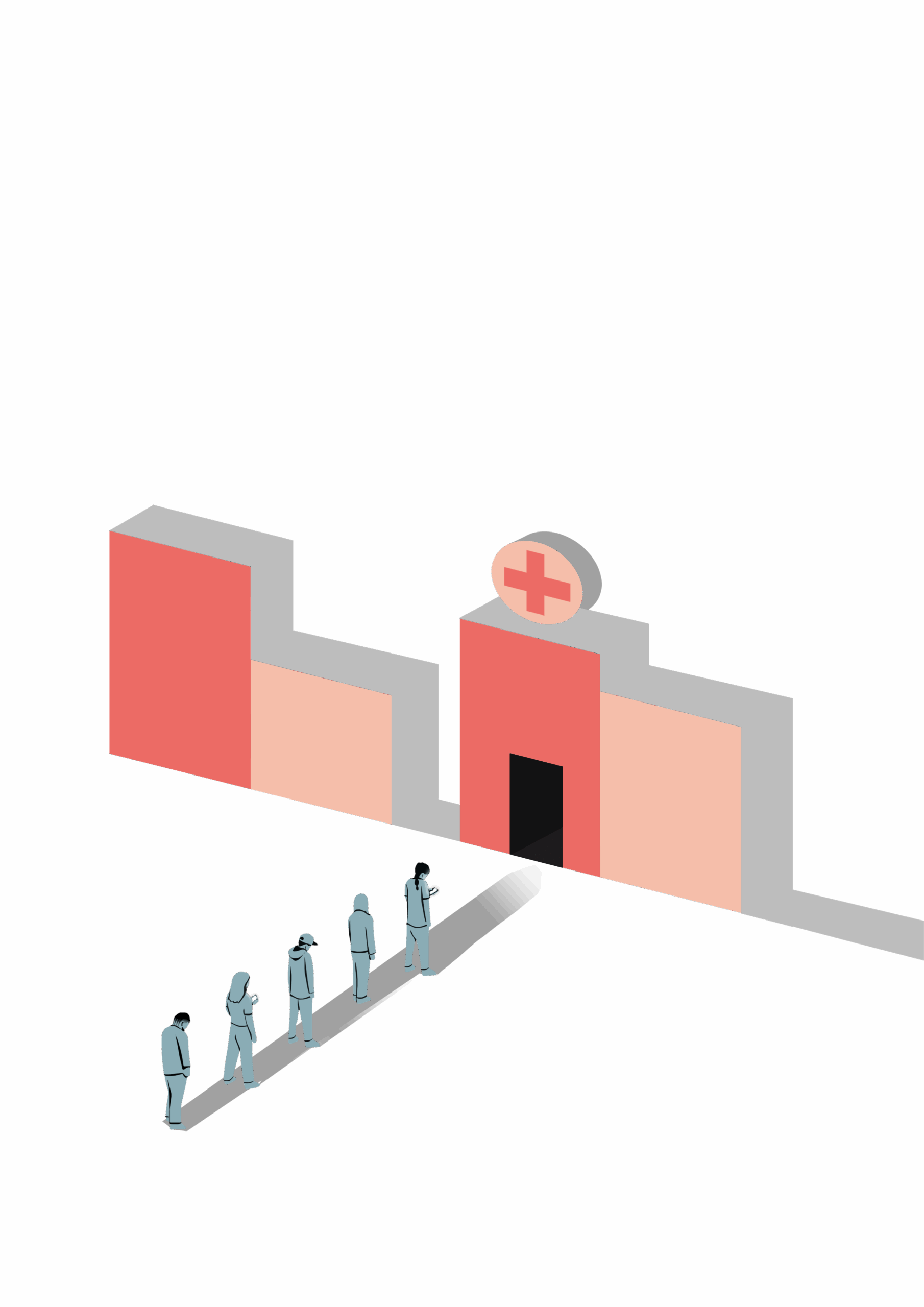
Teenage children affected by serious violence face a dramatically higher risk of mental health problems.
For the first time, we asked detailed questions about mental health, including using the Strengths and Difficulties Questionnaire (SDQ), a 25-item questionnaire that measures the scale of children’s struggles. Combined with data on victimisation and perpetration, this provides an unprecedented picture of how violence and mental health are linked — and the complex ways they shape young people’s lives.
The scale of poor mental health among teenagers is alarming. More than one in four 13–17-year-olds reported high or very high levels of mental health difficulties, as measured by the SDQ — the equivalent of nearly a million teenage children struggling with their well-being.
Behind this figure lie serious and often complex needs. A quarter of teenage children reported a diagnosis of at least one mental health or neurodevelopmental condition, such as depression, attention deficit hyperactivity disorder or speech and communication difficulties. A further 21% suspected they had a condition but had not been formally diagnosed — suggesting large numbers of teenage children are facing difficulties without recognition or support.
For some young people, the burden of their struggles can lead to distressing thoughts and actions. Fourteen per cent said they had deliberately hurt themselves in the past year, while 12% had thought about ending their life. In total, almost one in five — around 710,000 teenage children — had self-harmed or experienced suicidal thoughts.
The risks are even greater for teenage children directly involved in serious violence. Nearly two-thirds (62%) of those who had committed violence in the past year that resulted in a victim needing medical treatment (by a doctor or hospital) had also hurt themselves or considered suicide, compared with just 12% of teenage children not involved in such violence. Perpetrators of serious violence were also over three times as likely to have high levels of mental health difficulties, as measured by the SDQ (64% vs 20%) and over four times as likely to have a diagnosed mental health or neurodevelopmental condition (81% vs 19%).
Most teenage children experiencing violence and mental health issues aren’t receiving treatment.
Most 13-17-year-olds with a diagnosed or suspected condition had spoken to someone they trust about it — usually a parent or a friend. Among the small minority who hadn’t, the most common reason was believing their problem wasn’t serious enough.
While it is positive that the vast majority are speaking to someone, far fewer are accessing formal treatment or support. Over half (53%) of teenage children with a diagnosed mental health condition were receiving no support. Of those not receiving support, around half (51%) were on a waiting list. Over a third (36%) were not receiving treatment or waiting to receive any support and a further 13% had been referred to treatment but it had been declined. This means many teenage children with a diagnosed mental health condition were neither seeking, receiving or expecting any form of professional support.
Worse still, the majority of teenage children who’d perpetrated violence and had diagnosed or suspected mental health problems weren’t getting any professional support. Of these children, 32% were receiving treatment, which was higher than the 23% of teenage children who had a diagnosed or suspected mental health condition but hadn’t been involved in violence. However, the majority were still not receiving support – 50% of perpetrators of violence with a suspected or diagnosed condition were on a waiting list compared to 22% of those who hadn’t experienced violence.
Teens are turning online for support.
With so many teenage children unable to access timely treatment, and worried that their problems might not be serious enough to share, it’s perhaps unsurprising that many are turning online for advice and support. More than half (53%) of all teenage children said they had used at least one form of online mental health support, rising to two-thirds (67%) among those with the highest levels of difficulty, as measured by the SDQ.
Strikingly, a quarter of all teenage children had turned to AI chatbots for help — making them more commonly used than longer-established resources such as mental health websites or telephone helplines.
The turn to online support is even more pronounced among children affected by serious violence. Over nine in ten (92%) teenage children who’d perpetrated serious violence said they had sought advice or help online — nearly twice the rate of children who hadn’t experience any violence as victims or perpetrators (48%). This potentially highlights the high rates of mental health difficulties amongst these children.